
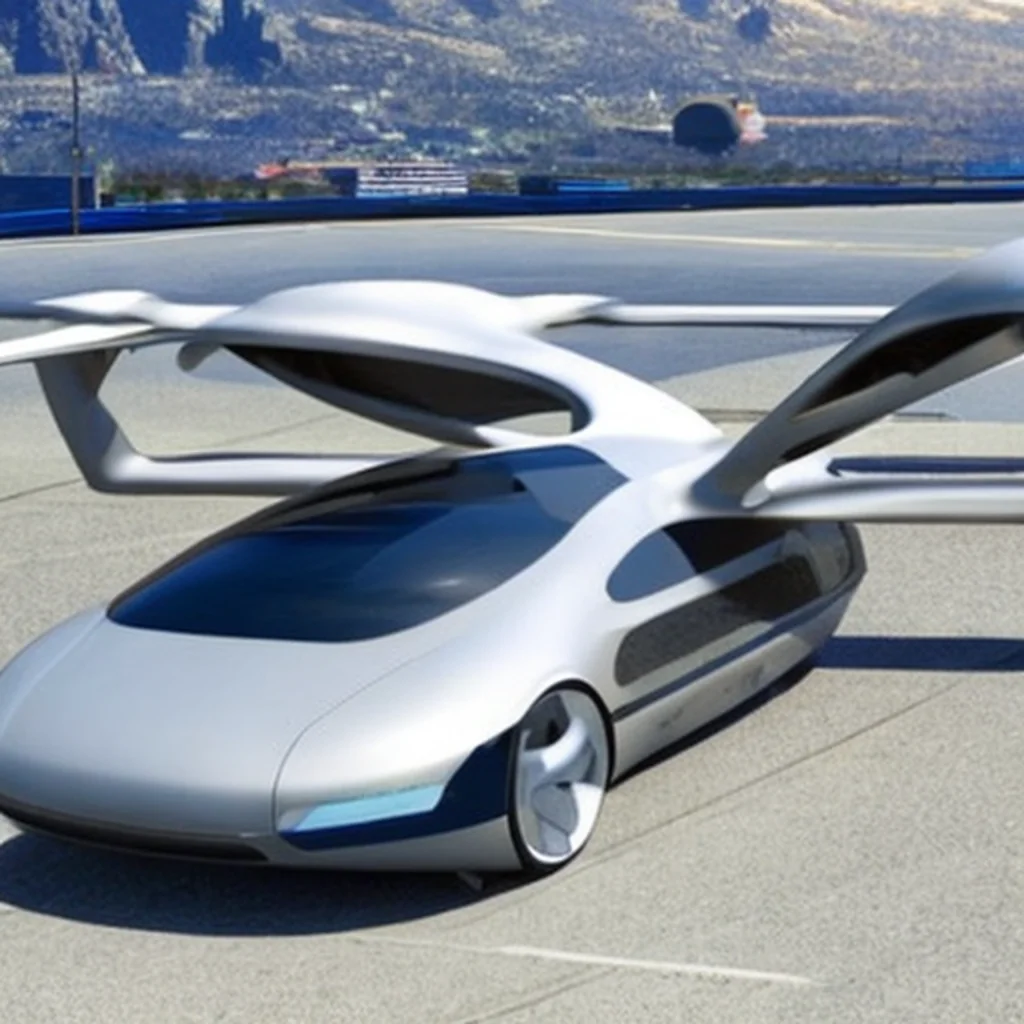
The summary provides a concise yet insightful perspective on the concept of flying cars. It highlights the symbolic nature of flying cars in popular culture, but also acknowledges the potential for their practical implementation. Let’s delve deeper into the points raised in the text:
**1. Flying cars as a synecdoche:**
The term “synecdoche” refers to a figure of speech where a part represents the whole. In the context of flying cars, the image of a flying car embodies the broader concept of 20th-century science fiction dreams of personal transportation through the air.
But the economic constraints of mass production and the lack of public acceptance are significant hurdles. The flying car concept has been around for decades, with early prototypes and concepts dating back to the 1920s. However, the lack of a clear regulatory framework and the high cost of development and testing have hindered its progress. The flying car concept has also been hampered by the lack of public acceptance, with many people fearing the potential dangers of flying vehicles.
This demand is driven by the desire for speed, convenience, and cost-effectiveness. **Here’s a breakdown of the economic benefits of flying cars:**
* **Reduced travel time:** Flying cars can significantly reduce travel time, especially for long-distance journeys. Imagine commuting from Los Angeles to Las Vegas in just 15 minutes, instead of the current 2-3 hours by car. This translates to significant time savings for individuals and businesses.
The summary provided does not offer a definitive answer to the reasons behind this phenomenon. However, it does highlight a crucial point: the lack of mass-production of flying cars has been a persistent issue despite the initial enthusiasm and technological advancements. To understand this complex issue, we need to delve deeper into the various factors that have contributed to this stagnation. **Factors contributing to the stagnation of flying car development:**
* **High Cost:** The development and production of flying cars are incredibly expensive. The cost of materials, engineering, and testing is substantial, making it difficult for private companies to compete with established aircraft manufacturers.
The US aviation system is characterized by a high cost of entry and a culture of caution, stemming from a combination of factors. **Detailed Text:**
The US aviation system stands out for its high cost of entry and a culture of caution, a result of several factors. One of the most significant contributors is the stringent pilot training requirements imposed by the Federal Aviation Administration (FAA).
This is a key difference between the FAA and DOT. The FAA, unlike the DOT, requires manufacturers to submit their aircraft designs for approval before they can be released to the public. This is a significant difference in regulatory approach, and it is a major factor in the safety of the aviation industry.

